Key takeaways
The 60-second version
- 1Start with your child, not the format. Interest in contact, comfort in a team, and how they feel about getting hit should decide this more than age or what their friends signed up for.
- 2Flag football cuts head impacts by a wide margin. CDC-cited research found youth tackle players took about 15 times more head impacts than flag players. That’s a big gap, but it isn’t a guarantee against injury.
- 3Flag football for kids is a good place to learn the game. Passing, catching, route-running, and reading a play all carry over if your child moves to tackle later.
- 4Moving to tackle takes more than learning the rules. Blocking, tackling technique, and wearing full gear are new skills, so look for a program that brings contact in gradually.
- 5Staying in flag is a real option. Moving up isn’t a goal your child has to hit, and plenty of kids keep playing flag because they enjoy it.
- 6The league matters as much as the format. Trained coaches, a clear injury plan, limited contact in practice, and good communication with parents tell you more about a season than whether it’s flag or tackle.
Your kid comes home asking to play football, and now you’re looking at two sign-up pages. One says, "Flag." The other says tackle. Both look fine, and neither tells you much about what your child is actually signing up for.
Football gives kids a lot beyond touchdowns. They learn to work with teammates, deal with losing a game, and feel like part of something. The two formats just get them there in different ways. Flag football takes tackling out of the game and has become a popular first step for younger players. Tackle football keeps the full-contact version most of us grew up watching.
Choosing between them isn’t about picking a winner. It’s about matching the format to your child’s age, interests, and comfort with contact. Here’s how the two compare and what to check before you register.
Practices, league games, and parent updates live on scheduling and league management.
Flag Football vs. Tackle Football: How the Two Games Differ
The easiest way to tell them apart is to watch how a play ends.
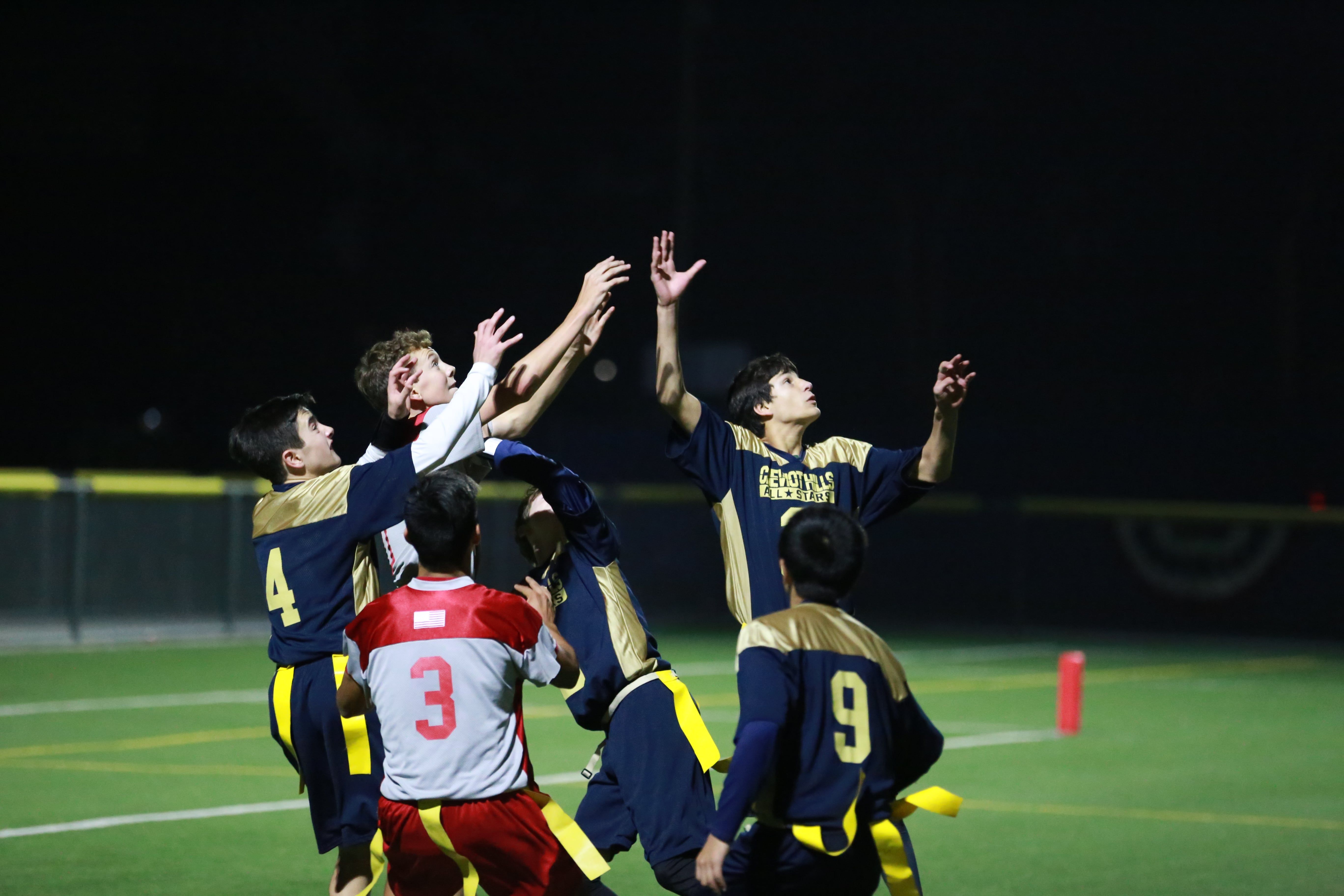
In flag football, players wear a belt with flags attached. A defender pulls a flag instead of tackling, and the play is dead. The game leans on running, passing, catching, and smart positioning. Blocking and contact rules change from league to league, so read the rulebook before you assume anything.
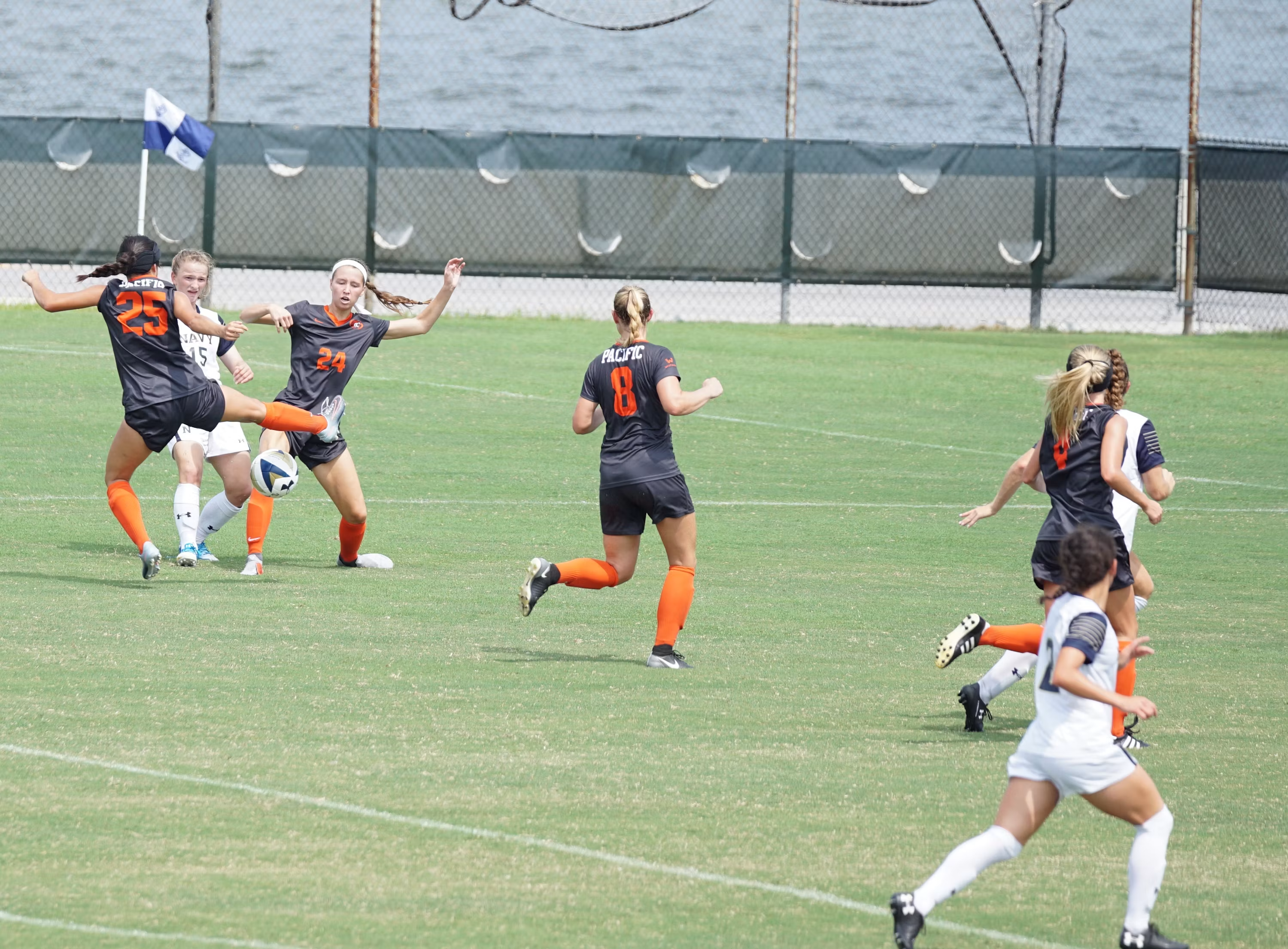
Tackle football is the version most people picture. Players wear helmets and pads, and defenders stop the ball carrier by taking him or her to the ground. Blocking happens on nearly every snap, and contact is part of the sport.
Both formats teach real football. Flag rewards speed, agility, and quick decisions in open space. Tackle adds contact technique and more specialized position roles, like what a lineman is actually responsible for.
Flag Football vs. Tackle Football at a Glance
If you want the short version before reading further, this table covers the main differences.
| Factor | Flag Football | Tackle Football |
| Physical Contact | Non-contact under standard NFL FLAG rules | Full-contact |
| How Plays End | Removing the ball carrier’s flag | Tackling the ball carrier |
| Protective Equipment | Flag belt, athletic clothing, suitable footwear, and any league-required protective gear | Helmet, shoulder pads, mouthguard, cleats, and other required protective equipment |
| Playing Style | Passing, agility, speed, and open-field movement | Blocking, tackling, passing, and running |
| Skill Development | Catching, throwing, route-running, flag pulling, and positioning | Tackling, blocking, throwing, catching, and positional techniques |
| Physical Demands | Speed, coordination, endurance, and quick direction changes | Strength, conditioning, coordination, and contact preparation |
| Accessibility | Often easy for beginners and mixed experience levels | Needs preparation for contact and more equipment |
What matters most is how your child feels about contact and what your local programs actually offer.
Flag Football vs. Tackle Football Safety: What the Research Says
Safety is usually the first thing parents ask about, and it’s a fair place to start.
Flag football removes tackling, so kids take fewer hits to the head. The numbers back that up. A CDC-cited study in Sports Health looked at youth football players ages 6 to 14 and found that tackle athletes took about 15 times more head impacts than flag athletes in a practice or game. They also took about 23 times more high-magnitude impacts. Over a full season, the median tackle player in the study had 378 head impacts, compared with 8 for the median flag player. The CDC points to those findings when it describes flag as a lower-contact option for younger players. You can read the details on the CDC’s page on head impacts in youth flag and tackle football.
Fewer impacts still isn’t zero risk, though. Flag players fall, collide, and sprain things. And tackle football isn’t inherently dangerous if the program teaches contact properly and limits how much contact occurs in practice. The league you pick can matter as much as the format.
When you’re sizing up a program, ask who coaches the kids and whether the coaches have been trained in age-appropriate techniques. Find out what happens when a player goes down, and whether there’s a clear plan for suspected concussions. Look at the gear too. Is it fitted and checked, or handed out and forgotten? If the league runs contact drills, ask how often and for how long. And ask whether there’s an emergency action plan and someone on site who can respond.
A program that has good answers to those questions is looking out for its players, whichever format it runs.
Benefits of Flag Football and Tackle Football for Young Players
Safety matters, but a kid who dreads practice won’t stick with the sport. Both formats build fitness, teamwork, and confidence. They just do it differently.
Benefits of Flag Football for Kids
Flag football for kids is a low-pressure way to learn the game. Players pick up passing, catching, route-running, and defensive positioning without worrying about getting tackled, which helps beginners and kids who prefer less physical play. Because the game rewards speed and quick changes of direction, players build agility and learn to read the field. Everyone touches the ball and has a job on every play, so teamwork happens naturally. Many programs also run separate divisions for different ages, skill levels, boys, and girls, which keeps the door open for more kids.
Benefits of Tackle Football for Young Players
The benefits of tackle football are tied to the contact itself. Players learn how to block and tackle properly, and they get a feel for formations, defensive schemes, and how each position fits into the bigger picture. Structured practices build discipline. Playing a physically demanding sport also teaches kids to bounce back from a rough game or a tough matchup.
Neither format guarantees a better athlete. A good coach and a supportive team will do more for your child than the choice of format.
What Age Should Kids Start Youth Flag Football or Youth Tackle Football?
There’s no single right age. Coordination, confidence, interest, and the quality of the nearby programs all play a part.
Youth flag football is usually where younger kids begin, since it teaches the basics without full-contact tackling. Plenty of leagues run beginner divisions, though minimum ages and eligibility rules differ, so check before you register.
Youth tackle football asks more of a player. Kids need enough physical readiness and a basic understanding of contact technique. Review the league’s age and eligibility rules, and consider talking it over with your child’s doctor.
Some questions can help you decide. Does your child like being part of a team? Can they follow instructions and understand the rules? Are they curious about the physical side of the game? And, most importantly, do they actually want to play? A child who’s eager at 7 will usually do better than one who’s pushed into it at 10.
Let your child’s development set the pace, not the calendar.
Can Kids Move From Youth Flag Football to Tackle Football?
Yes, and flag is a solid foundation. Kids who start there learn passing, catching, route-running, agility, and how to read a play, all of which carry over to tackle.
The move still takes some adjusting. Tackle brings blocking and tackling technique, more specific position duties, and a full set of protective gear. USA Football’s Football Development Model recognizes this by treating skill development as a progression from non-contact flag to contact tackle, with coaches adjusting instruction to the athlete’s development and the version of the game being played. If you want to see how that works, you can learn more about USA Football’s Football Development Model.
Look for programs that bring in contact gradually, use qualified coaches, and leave enough time for recovery between games.
Moving up isn’t required, either. Plenty of kids stay in flag football for years because they like it, and that’s a perfectly good path.
How to Choose Between Youth Football Leagues
Once you’ve settled on a format, the league you join shapes your child’s season just as much.
Start with the coaches. Find out if they have training and whether they care more about skill-building and sportsmanship than winning every game. Ask about safety procedures, including emergency plans, injury handling, contact limits in practice, and equipment rules. Check how the league sorts players into age divisions, and make sure the practice and game schedule works for your family without wearing your kid out.
It also helps to see how organized the league is behind the scenes. Can you easily find registration details, team assignments, schedule changes, and payment information? A league that communicates well is usually one that’s run well, and your child gets a steadier season out of it. If you’re curious what goes into running one, WareSport has a useful piece on building a youth football team families want to join.
Running Youth Football Leagues Takes More Than a Good Game
As flag football brings in more kids, the people running these leagues have more to handle. Every new division means more registrations, more teams, more coaches to place, more fields to book, and more parents asking when the next game starts. A lot of organizers still manage this with spreadsheets, a separate payment tool, and group chats that nobody can keep track of.
That’s the problem WareSport’s flag football management software is built to solve. Registrations, teams, fields, schedules, payments, officials, and communication all live in one place. Organizers can set up divisions, publish game schedules, track standings, and run tournaments without jumping between tools. Parents get one place to look for updates instead of digging through texts.
Plenty of leagues run flag and tackle programs side by side. For those, WareSport also covers American football, including team management, athlete registration, rosters, coaching, scheduling, payments, and communication, so both programs can run from the same system.
Final Thoughts: Pick the Right Game for Your Child
Flag football gives kids a lower-contact way to learn the sport. Tackle football adds the physical challenge and strategy of the traditional game. Neither is wrong. The better choice is the one your child is ready for and excited about, in a league with good coaches and clear safety rules.
If you run a youth program and want to spend less time on registrations and schedules, you can book a WareSport demo and see how the platform handles both flag and tackle leagues.