
Crowds. Lights. Fireworks. Tailgates. Chicken wings. Jerseys. A Sunday that doesn’t feel like Sunday at all. Every February, the same ritual returns. Offices go quiet. Group chats explode. Even people who haven’t watched a single football game all year suddenly ask: When is the big game? Who is favored to win? What are the Super Bowl 60 odds? This year, as the Seahawks prepare to face the Patriots, the betting lines are already shifting, turning a sports championship into the world’s biggest calculated gamble.
It’s not just a game anymore. It’s a spectacle. A broadcast. A business empire disguised as four quarters of football. Welcome to Super Bowl LX, also known as Super Bowl 60. Here’s everything you need to know.
When is the Super Bowl 2026? Circle the calendar. Sunday, February 8, 2026. Kickoff lands around 6:30 PM Eastern. Late enough for the drama. Early enough for the parties. It’s always the second Sunday in February, a date that’s quietly become America’s unofficial holiday. No work getting done Monday. Everyone knows it. The championship game of the National Football League. One winner. One trophy. One season ending in either victory or heartbreak.
But the Super Bowl is never just football. It’s the rare modern event that still feels collective, a night where millions of people watch the same thing at the same time. In the streaming era, that’s almost unnatural. We’re used to scattered attention. Different shows. Different feeds. Different worlds. The Super Bowl forces a shared world for a few hours. And that’s why it’s important.
A deeper history of the Super Bowl: how it became America’s stage
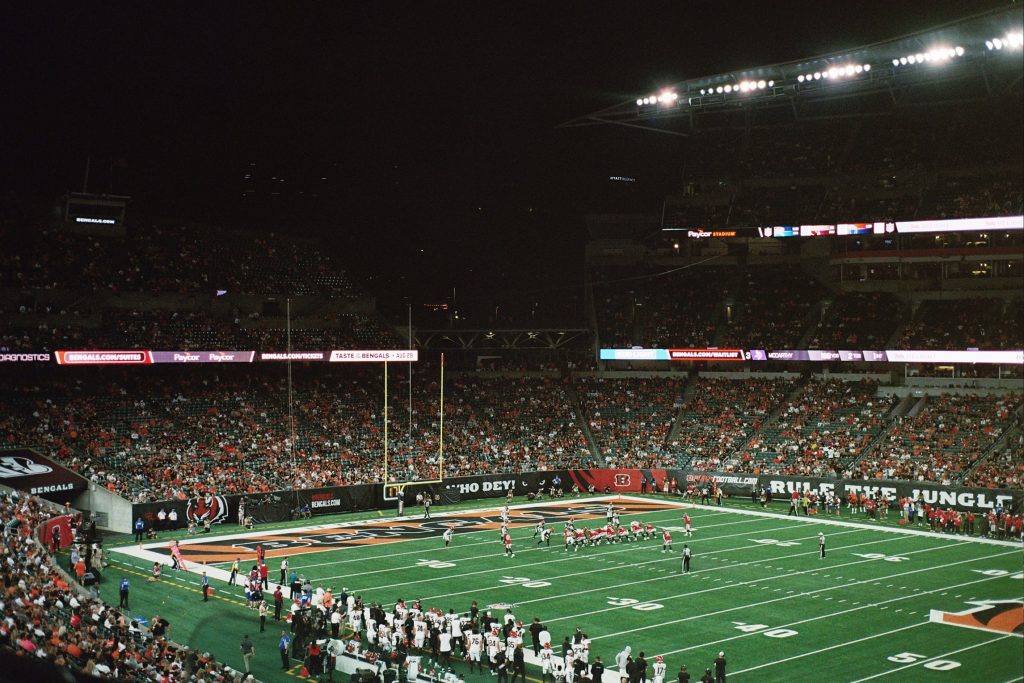
Before the Super Bowl became a global spectacle, it was essentially a solution to a problem. In the 1960s, professional football wasn’t one unified machine. There were rival leagues, the NFL and AFL, competing for players, money, and legitimacy. A merger was coming, but first they needed a definitive “prove it” moment: a championship game between the champions of each league. The first game was played in 1967. It wasn’t called “the Super Bowl” yet. The official name was clunky and corporate, AFL–NFL World Championship Game. The “Super Bowl” nickname caught on, and soon it became the brand we know today. But what’s important isn’t just the date. It’s what happened next.
The Super Bowl becomes television’s perfect weapon
Football was built for TV: short bursts of action, constant replays, dramatic pauses, strategy you can explain with a single graphic.As television expanded, so did the Super Bowl’s reach. And once advertisers realized a massive audience was guaranteed, the event shifted. It didn’t just grow. It mutated. A championship game turned into: the biggest advertising night of the year, the most intense sports broadcast, and eventually the most famous halftime stage in the world.
Dynasties, eras, and the mythology of the game
Sports don’t survive on rules alone. They survive on story. The Super Bowl created decades of storylines: dynasties, rematches, redemption arcs, cities that waited generations to win, teams that became symbols of entire eras. Even if you don’t know the details, you feel the shape of it, like the Super Bowl isn’t one game, but an annual chapter in a much larger myth. And because it happens every year, the history stacks. People remember where they were. Who they watched with. What they ate. What they yelled. What commercial made the room laugh. What halftime show made the room go silent. That’s cultural permanence.
Super Bowl Odds, Favorites, and Predictions
For many fans, the buzz around phrases like “odds Super Bowl,” “super bowl odds,” “who is favored to win the Super Bowl,” and “Super Bowl favorites” is about more than casual conversation, it’s a reflection of how the game is priced and predicted by sportsbooks and analysts alike. It’s a moment where individuals are betting on which team will perform the best based on a variety of stats from the season and playoffs.
What Are Super Bowl Odds?
Super Bowl odds are numeric values set by oddsmakers that represent how likely each team is to win or hit a particular outcome. Betting odds serve as a kind of prediction, not a certainty, but a forecast based on team performance, injuries, public betting, and statistical models. These figures are used by sportsbooks to balance action and reflect what the market believes will happen when two teams face off. Odds can be presented in different formats, but in the U.S. American odds format is most common:
- A negative (-) number indicates the favorite — the team expected to win.
- A positive (+) number indicates the underdog — the team expected to lose.
So when a team’s moneyline reads -230, you would need to bet $230 to win $100 on them, because they are favored to win. If a team’s line reads +190, a $100 bet would win $190 if that team pulls off the upset
Super Bowl favorites
These are the teams sportsbooks think are most likely to win. Stronger record. Better stats. More consistency. As of the days leading into the game, the Seahawks have been widely listed as the favorite:
- Point spread: Seahawks -4.5
- Moneyline: Seahawks around -230, Patriots around +190
- Total (over/under): around 45.5 points
The Seahawks have a 60.2% chance to beat the Patriots in Super Bowl 60 on Feb. 8, according to ESPN. Well, can’t forget the underdog story, as the site gives New England a 39.8% shot at winning the NFL championship And honestly? Super Bowl history loves an underdog.
Why people care
Not just gambling. It’s bragging rights. Friendly pools. Predictions. Office bets. It gives fans a stake in the game, even if their team didn’t make it. The highlight though without a doubt, is the halftime show, a modern American spectacle.
The halftime show: how a break became the biggest stage in pop culture
Here’s the truth people sometimes avoid saying out loud: For a huge part of the audience, the halftime show is not the side dish. It’s the main course. That wasn’t always true. In earlier Super Bowls, halftime was closer to pageantry: marching bands, local performers, patriotic themes. It was entertainment, but not entertainment.
Then the Super Bowl got bigger. And the halftime show had to match it. Recent reporting traces the evolution clearly: the halftime show shifted from modest,family-friendly performance into a high-production global music event, especially after landmark moments like Michael Jackson’s 1993 performance helped redefine what halftime could be: not filler, but spectacle.
The headline is official: Bad Bunny is the Super Bowl LX halftime performer. That’s not just a booking. It’s a cultural statement. Bad Bunny represents an era where Spanish-language music isn’t “crossing over”, it’s already global. Already dominant. Already filling stadiums. His presence at halftime signals how much the center of pop culture has shifted.
The Grammys moment: winning big in 2026
Just days ago, Bad Bunny made major headlines at the 2026 Grammys, winning Album of the Year, a historic first for an all-Spanish-language album, according to AP coverage.
He also won Best Música Urbana Album, and his acceptance moment turned into something bigger than music. “ICE out”: why the speech became part of the Super Bowl conversation Reuters reported that Bad Bunny used his Grammys speech to criticize U.S. immigration enforcement, saying “ICE out,” and emphasizing immigrants’ humanity, “We’re not aliens… we are humans and we are Americans.” With this statement, there comes a moment of uncertainty, with a widespread public concern and social media noise about whether ICE would conduct immigration enforcement operations around the event. Reporting from major outlets said ICE had no plans to conduct immigration enforcement operations at the Super Bowl (while federal agencies still coordinate on security in general, as they do for major events)
That’s where the “conservative controversy” comes in: not as vague drama, but as a documented political reaction. Reuters and Entertainment Weekly both describe backlash from conservative figures and political leaders following his comments and his selection as halftime performer. And ESPN reported the league has stood by the decision despite the criticism. So the halftime show isn’t just about music this year.
It’s about what kind of culture the NFL is willing to showcase on its largest platform, and what kind of backlash comes with it. The halftime show has always been bigger than the setlist. It’s symbolism. When the NFL chooses a performer, it’s choosing:
- what America sounds like,
- what America celebrates,
- what America is willing to broadcast to the world.
Bad Bunny headlining, fresh off major Grammy wins and a political moment, turns halftime into something even more intense: not just entertainment, but a flashpoint. That doesn’t mean the show will be “political” onstage. It means the context already is. And that context will drive conversation all week: in sports media, entertainment media, and everywhere in between.
Even with remarks by President Trump telling the NFL to remove the artists, NFL Commissioner Roger Goodell spoke highly and described him “one of the great artists in the world,” as well as someone who understands the power of the Super Bowl performance “to unite people and to be able to bring people together.”
Why the Super Bowl still stops the world
At the end of the day, the Super Bowl isn’t really about football. Not entirely. It’s about the way a single night can pull millions of people into the same room, even if those rooms are thousands of miles apart. Strangers at bars. Families on couches. Students in dorms. Parents explaining the rules to someone who’s never watched before. The same kickoff. The same halftime lights.
The same last-second play that makes everyone jump at once. There aren’t many events left that do that.
In a world built on endless scrolling: different feeds, different shows, different timelines, the Super Bowl still feels collective. Live. Shared. You can’t pause it. You can’t skip ahead. You’re either there in the moment, or you miss it. And maybe that’s why it still matters. Because it’s not just the Super Bowl odds, or who is favored to win the Super Bowl, or which team lifts the trophy at the end.
It’s the noise. The anticipation. The halftime stage glowing in the dark. The commercials everyone quotes the next day. The memory of where you were when it happened. Super Bowl 60 will come and go like all the others: four quarters, one champion, confetti falling, lights shutting off. But for a few hours on a Sunday night in February, the world will pause and look in the same direction.And that’s bigger than a game. It’s a moment. And moments are what we remember.
The Super Bowl is a reminder that sports are at their best when they bring us together. Whether you’re organizing your own local league or just looking for more expert takes on the season, Waresport is here to help you stay connected to the game. For more insights on upcoming matchups and sports culture, check out our latest blog posts here.
This is what we built Waresport for