
Key takeaways
The 60-second version
- 1Sponsorships are partnerships, not donations—businesses expect visibility, community engagement, and brand value in return.
- 2Local businesses are often easier to secure as sponsors than national brands because they directly benefit from community exposure.
- 3A professional sponsorship package can significantly improve your chances of getting a response from potential sponsors.
- 4Modern sponsors increasingly value digital exposure through websites, social media, livestreams, and email communications.
- 5Offering multiple sponsorship levels helps attract businesses with different budgets and marketing goals.
- 6Long-term sponsor retention is more valuable than constantly searching for new sponsors every season.
- 7Sports club management software can help organizations manage sponsors more effectively and create additional branding opportunities.
The business of sports sponsorship is undergoing significant transformation. Once viewed primarily as a branding exercise centered on stadium signage, jersey logos, and event visibility, sponsorship has evolved into a strategic growth channel for organizations seeking deeper community engagement and measurable audience connections, leading to an increase in the number of companies sponsoring youth sports.
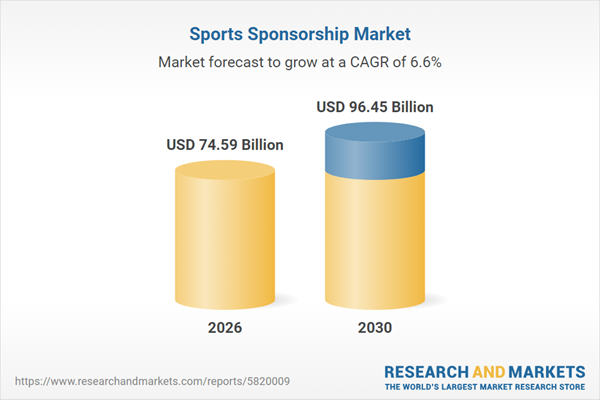
That shift is reflected in the numbers: according to Research and Markets, the global sports sponsorship market is projected to grow from $74.59 billion in 2026 to $96.45 billion by 2030, at a CAGR of 6.6%. Analysts attribute much of this growth to digital platform integration, data-driven sponsorship strategies, personalized audience engagement, and the increasing importance of community-centered brand partnership.
While much of this funding is focused on professional sports, sponsorship opportunities are expanding at the grassroots level. Youth sports organizations provide something many traditional advertising channels do not: access to involved families, high community awareness, and genuine brand trust.
As a result, corporations ranging from local healthcare providers and insurance companies to multinational brands like Nike, Adidas, Coca-Cola, and Toyota continue to invest in youth sports. These collaborations help sponsors increase brand exposure and community goodwill, while also providing funds to clubs and leagues for facilities, tournaments, travel, equipment, and athlete development.
At the same time, sponsorships are growing increasingly complex. Modern sponsors want more than just logo placement; they want digital visibility, verifiable interaction, and year-round brand presence. Understanding which firms fund young sports teams and what they demand in return is now a competitive advantage for club directors, league operators, and athletic administrators. This article delves into the top sports sponsors for youth teams, how modern sponsorship works, and tried-and-true tactics for obtaining and keeping long-term partners.
Top Companies That Sponsor Youth Sports Teams
When individuals look for firms that support youth sports teams, they frequently focus on huge national brands. While some large organizations support grassroots athletics, many sponsorship opportunities come from industries that see direct benefits from engaging with families, players, and local communities.
The firms listed below are among the most often linked with youth sports sponsorships, whether through official community programs, grassroots efforts, local collaborations, or franchise-level sponsorship options.
Sporting Goods & Athletic Apparel
Companies in the sports industry are natural sponsors because youth athletes represent both their current and future customers. Many of these brands support grassroots development programs, tournaments, camps, and local clubs.
- Nike – Nike is involved in youth sports through grassroots initiatives, club partnerships, camps, and athlete development programs. Competitive clubs and academy programs often seek partnerships with the brand for apparel and event support.
- Adidas – Adidas has a long history of supporting youth sports, particularly soccer. The company frequently partners with academies, tournaments, and amateur sports organizations focused on player development.
- Under Armour – Known for its performance-focused branding, Under Armour works with youth programs across football, baseball, basketball, and training-based sports.
- Wilson Sporting Goods – Wilson is widely recognized for supporting sports such as baseball, basketball, tennis, and football through equipment partnerships and event involvement.
- Dick's Sporting Goods – Through community initiatives and foundation programs, Dick's Sporting Goods has supported youth athletics and recreational sports organizations across various regions.
Food & Beverage Companies
Food and beverage brands have long recognized the value of youth sports sponsorships. Games, tournaments, and community events create regular opportunities to connect with families.
- Coca-Cola – Coca-Cola has supported sports at every level, from professional leagues to community-based events. Local partnerships and event sponsorships are common in youth athletics.
- Gatorade – As a sports performance brand, Gatorade frequently aligns itself with athletes, tournaments, and youth sports initiatives focused on training and competition.
- Pepsi – Pepsi has a longstanding presence in sports marketing and often participates in local event sponsorships and community partnerships.
- Subway – Many Subway franchise owners support local teams through fundraising partnerships, jersey sponsorships, and community engagement initiatives.
- Chipotle – Chipotle has increasingly partnered with school and community programs that promote youth participation in sports and healthy lifestyles.
Healthcare & Medical Organizations
Healthcare providers often sponsor youth sports because athletic participation aligns closely with their focus on health, wellness, and injury prevention.
- Sports Medicine Clinics – These organizations frequently support local teams, tournaments, and athletic programs while providing expertise related to athlete health and performance.
- Orthopedic Practices – Orthopedic groups often sponsor youth sports events and school athletics programs because they regularly work with active athletes and sports communities.
- Physical Therapy Centers – Physical therapy providers commonly support community sports programs and youth leagues as part of their local outreach efforts.
- Regional Hospitals and Healthcare Networks – Many hospitals invest in youth athletics as part of broader community wellness initiatives and public health programs.
Insurance & Financial Services
Insurance agencies and financial institutions are among the most consistent sponsors of local sports organizations because youth athletics provide meaningful opportunities for community engagement.
- State Farm – Local State Farm agents are frequently involved in sponsoring youth teams, community leagues, and school sports programs.
- Allstate – Allstate has participated in various sports-related community initiatives and local sponsorship opportunities.
- Local Credit Unions – Credit unions often support youth sports because they are deeply connected to the communities they serve.
- Community Banks –Regional banks regularly sponsor tournaments, youth leagues, and athletic events as part of their local marketing strategies.
Automotive & Dealership Groups
Auto dealerships are some of the most active local sponsors in youth sports. Their community-focused marketing strategies often make sports sponsorships an attractive investment.
- Toyota Dealerships – Local Toyota dealerships commonly support community sports initiatives, tournaments, and youth athletic programs.
- Ford Dealerships – Ford dealers frequently sponsor recreational leagues, school athletics, and local sporting events.
- Honda Dealerships – Honda's community engagement efforts often extend to youth programs and grassroots sports organizations.
- Regional Auto Groups – Independent dealership groups are often among the largest sponsors of local sports events and tournaments.
Telecommunications & Technology Companies
Technology and telecommunications brands increasingly view youth sports as a way to strengthen local community connections while expanding brand visibility.
- T-Mobile – T-Mobile has been involved in youth sports initiatives and community partnerships, particularly in baseball and local athletics.
- AT&T – AT&T has supported various community-focused sports programs and youth development initiatives.
- Local Technology Firms – Regional technology companies often sponsor teams and tournaments as part of their community outreach efforts.
Local Businesses: The Most Accessible Sponsors for Youth Sports
While major companies frequently receive attention, local businesses are typically the most approachable and reliable sponsors for youth sports teams. Companies such as restaurants, dental clinics, fitness centers, real estate agents, and other community-based businesses frequently sponsor teams because it allows them to engage with local families and promote their presence in the neighborhood. Many teams rely on these arrangements to generate long-term sponsorship money. The trick is understanding how to contact potential sponsors and promote a collaboration that benefits both sides.
How to Get Sponsors for a Youth Sports Team
Obtaining sponsorships involves much more than simply asking businesses for financial help. The most successful teams present sponsorships as partnerships that enable companies to engage with local families, strengthen their community presence, and increase brand recognition. Whether you're asking local businesses or big companies to offer sponsorship for sports, the goal is to demonstrate the value your organization can deliver in exchange.
It's also worth noting that many firms that are willing to sponsor sports teams receive several inquiries throughout the year. A well-organized proposal, a clear sponsorship package, and a professional temperament will greatly increase your chances of obtaining funding.
A 5-Step Sponsorship Framework
| Step | What to Do | Why It Matters |
| 1. Identify Potential Sponsors | Target local businesses, healthcare providers, restaurants, dealerships, and sports-related brands. | Businesses that already serve families are more likely to see value in sponsoring youth sports. |
| 2. Create a Sponsorship Package | Include team information, audience reach, sponsorship levels, and benefits. | Sponsors want to understand what they receive in return for their investment. |
| 3. Offer Multiple Sponsorship Options | Provide Bronze, Silver, Gold, and Premium packages. | Different businesses have different budgets and marketing goals. |
| 4. Highlight Your Audience | Share participation numbers, event attendance, social media reach, and community impact. | Sponsors invest in access to audiences, not just logos on uniforms. |
| 5. Maintain the Relationship | Deliver promised benefits and provide regular updates throughout the season. | Strong sponsor retention reduces the need to find new sponsors every year. |
Focus on Local Businesses First
Many teams spend months pursuing national brands while overlooking businesses in their own community. In reality, local restaurants, dental clinics, insurance agencies, fitness centers, and real estate firms are often more accessible and more likely to support youth sports programs.
Think Beyond Jersey Logos
Modern sponsorships extend far beyond uniform branding. Sponsors increasingly value social media recognition, website visibility, tournament sponsorships, email newsletter mentions, and event-day activations. The more exposure opportunities you can offer, the more focused your sponsorship proposal becomes.
Make Sponsorship a Long-Term Partnership
The goal should not be securing a one-time contribution. Building long-term relationships with sponsors creates a sustainable revenue stream and can lead to increased support over time. Organizations that consistently communicate with sponsors and demonstrate value are far more likely to retain them season after season.
Sponsorship Letter Template for Youth Sports Teams
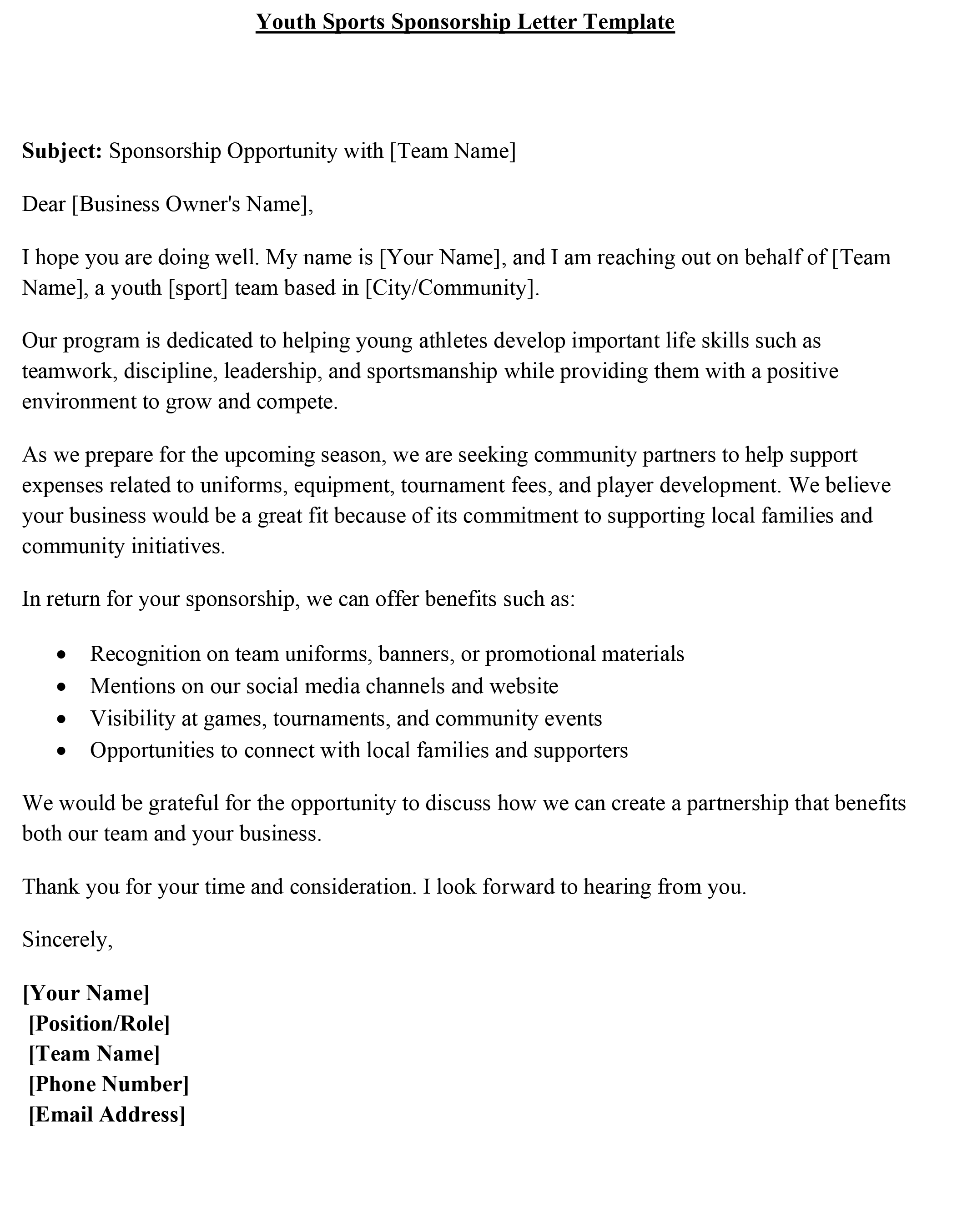
Even with a good sponsorship package, your initial impression is frequently determined by the outreach message. A sponsorship letter provides potential sponsors with a brief description of who you are, what your team is attempting to accomplish, and how their assistance may help. The most effective letters are concise, customized, and emphasize collaboration rather than simply begging for money. Business owners receive multiple sponsorship proposals throughout the year, so a brief statement emphasizing mutual benefits is more likely to elicit a response. To help you get started, a sample letter is attached that you can customize for your team, club, league, or school sports program. You can also download and edit the template to match your sponsorship goals and outreach strategy.
Tips Before Sending Your Letter
Before sending your sponsorship request, spend a few minutes customizing it for each firm. Mentioning the company's name, highlighting its community participation, or describing why you chose to contact them might help the message sound more authentic. A personalized message is significantly more successful than a generic template distributed to dozens of firms.
Common Mistakes Teams Make When Seeking Sponsors
Many teams believe it is difficult to obtain sponsorships because firms are hesitant to invest in youth sports. In actuality, the greater problem is frequently how sponsorship offers are presented. Sponsoring a team is a commercial choice for them. Sponsors, whether they are a small restaurant, a healthcare provider, or a regional firm, want to know who their brand will reach, how it will be marketed, and what value they will receive in return. When teams fail to articulate that value clearly, even interested firms may decide not to proceed.
The good news is that most sponsorship difficulties can be avoided. Some of the most typical mistakes made by youth sports groups are listed here, along with suggestions on what to do instead.
| Common Mistake | Why It Hurts Your Chances | Better Approach |
| Asking for money without a clear proposal | Sponsors may see the request as a donation rather than a partnership opportunity. | Present a sponsorship package that outlines benefits, audience reach, and visibility opportunities. |
| Targeting only large national brands | National companies often have formal sponsorship processes and high competition. | Focus on local businesses and regional organizations that already serve your community. |
| Offering only jersey logo placement | Modern sponsors often look for more than just physical branding. | Include social media exposure, website recognition, event sponsorships, and digital visibility. |
| Sending the same message to every business | Generic outreach is easy to ignore and rarely creates a connection. | Personalize your communication and explain why their business is a good fit for your team. |
| Failing to highlight audience size | Sponsors need to understand who they will reach through the partnership. | Share attendance figures, number of players, family participation, and online engagement where possible. |
| Not following up after the initial request | Many sponsorship opportunities are missed simply because no follow-up occurs. | Send a polite follow-up and keep communication professional and consistent. |
| Forgetting about existing sponsors | Teams often focus heavily on acquiring new sponsors while neglecting current supporters. | Maintain regular communication and recognize sponsors throughout the season. |
| Overpromising and underdelivering | Trust can be damaged when sponsorship benefits are not fulfilled. | Commit only to benefits you can realistically provide and track throughout the season. |
The Biggest Mistake: Treating Sponsorship as a One-Time Transaction
The most widespread misconception is that sponsorship is only a one-season fundraising effort. The most successful child sports groups treat sponsorships as long-term relationships. A company that supports your squad this year may become a supporter for the next five years if they feel appreciated and see results. Regular updates, sponsor acknowledgment, post-season reports, and simple thank-you cards may help create trust and encourage renewals.
Ultimately, sponsors are investing in more than just the squad. They're investing in a community, a cause, and an organization that they think embodies their beliefs. Teams that understand this are more likely to form stronger collaborations, retain sponsors for longer, and generate more long-term financing opportunities.
How Sports Club Management Software Helps With Sponsorships
The future of sports sponsorship is becoming increasingly digital. Sponsors no longer evaluate partnerships based solely on jersey logos or field banners; they want year-round visibility, measurable engagement, and stronger connections with the communities they support. For youth sports organizations, this means sponsorship management is becoming just as important as sponsorship acquisition.
Sports club management software helps clubs stay organized while creating more opportunities to showcase sponsors across websites, registrations, tournaments, communications, and digital channels. It also helps clubs present a more professional image, which can be a major factor when approaching potential sponsors. A platform like WareSport also supports youth sports sponsorship, helping organizations streamline operations while building stronger sponsorship programs. From managing events and communications to creating additional opportunities for sponsor visibility, clubs can deliver more value to sponsors and strengthen long-term partnerships.
Final Thought
As the sports sponsorship market continues to grow, youth sports organizations have more opportunities than ever to build meaningful partnerships with businesses. However, success is no longer about simply finding companies that sponsor youth sports teams; it's about creating sponsorship opportunities that provide value for both sides.
The organizations that stand out are those that combine strong community impact with professional operations, clear communication, and a long-term partnership mindset. Whether you're working with a local business or exploring larger sponsorship opportunities, focusing on relationship-building rather than one-time funding requests will always produce better results.
With the right strategy, sponsorships can do more than offset costs; they can help clubs expand programs, improve athlete experiences, and create sustainable growth for years to come.
Absolutely. In many cases, small teams have an advantage because local businesses often prefer supporting organizations that are closely connected to their community. A well-organized team with a clear sponsorship proposal can attract sponsors regardless of its size.
Sponsorship amounts vary based on the sport, location, team size, and the benefits offered to sponsors. For youth sports teams, local sponsorships commonly range from a few hundred dollars for banner or website recognition to several thousand dollars for premium sponsorship packages. Larger clubs, tournaments, and regional programs may secure higher amounts when they can offer broader visibility and audience reach.
Yes. Local restaurants, dental practices, real estate agencies, fitness centers, and insurance providers are often more accessible than national brands. They also tend to see direct value from reaching local families and community members.
Yes. Some sporting goods companies, local retailers, and manufacturers provide equipment, uniforms, training gear, or discounts instead of direct financial support. These in-kind sponsorships can help reduce operating costs substantially.
Sponsors typically receive brand exposure through uniforms, banners, websites, social media, tournaments, and community events. Many businesses also value the goodwill and community recognition that comes from supporting youth development programs.
The ideal time is usually two to four months before a season or major event begins. This gives businesses enough time to review budgets, evaluate opportunities, and plan their marketing activities.
A strong sponsorship package should include an overview of the organization, participation numbers, audience demographics, sponsorship levels, branding opportunities, and details about how sponsors will be recognized throughout the season.
This is what we built Waresport for