Tryouts, field bookings, US Club Soccer and US Youth Soccer leagues, ECNL and MLS Next schedules, club dues, tactics boards and player development. One platform built for the modern soccer club.
U10 wants the back pitch, U14 needs lights, the rec league shows up uninvited. Field swaps over email, no waitlist, half your weekend slots wasted.
Registration in GotSport, schedules in TeamSnap, tournaments in TourneyMachine, payments in Stripe, comms on WhatsApp. Nothing talks to each other.
Expired cards, payment plans tracked in a Google Sheet, parents requesting refunds in DMs, financial aid handled by the treasurer at 11pm.
Field closed, coach late, rain delay. Parents miss the message, players show up to a locked pitch, the club gets the complaint.
Grade tryouts, form teams, run match day, and message every parent. Watch it happen.
Score by position, auto-rank, and send team offers with one click.
Every tool a modern soccer club, academy, US Club Soccer or US Youth Soccer organization actually uses. Built native, not bolted on.
Drag players, balls and cones on a 2D pitch. Animate 4-3-3 shape, set pieces, pressing triggers and possession drills. Save to a club library and push straight to coach phones before training.
Technical, tactical, physical and mental grids. Coach notes, position fit, minutes played and goal contributions. Generate branded player development PDFs parents and college coaches actually open.
Field bookings, training slots, futsal courts, private lessons and tournament hosting from one calendar. Dynamic pricing for prime weekend windows and lights.
Round robin, knockout, group stage and ECNL or MLS Next style league formats. Refs, scorekeepers, standings, goal differential tiebreakers and team rosters. No more TourneyMachine.
Online tryout registration, age and grade verification, evaluation grids per position, jersey numbers, deposits and one click team offer emails. US Club Soccer and US Youth Soccer rosters covered.
Season fees, monthly dues, tournament travel, kit packages, sibling discounts, financial aid and Stripe and ACH built in. Recurring billing that actually retries failed cards.
Group chats per team, broadcast announcements, automatic training reminders and rainout alerts on SMS, email and push. Two adult SafeSport rules enforced for minors.
Share session plans, match video, scouting reports, set piece diagrams and parent handbooks by team or age group. Track who actually opened them.
Players RSVP to training, pay dues, see match schedules, watch session videos and message coaches from one branded app. No per player or per seat fees.
Drafts match reports, parent updates, recruiting profiles, tournament emails and social posts in your club voice. Built in, no extra subscription.
Training reminders, payment due dates, match check in times, tryout slots. Sent on SMS, email and push so nothing gets buried in a parent inbox.
Player waivers, US Club Soccer and US Youth Soccer rostering, SafeSport coach status, background checks, concussion protocols and insurance tracked in one place.
Drag players, balls and cones on a 2D pitch. Animate 4-3-3 shape, pressing triggers, set pieces and rondos. Save to a club playbook every coach can pull up on their phone before training.
Coaches rate players on technical, tactical, physical and mental grids you customize per age group and position. Automatic branded PDF reports drop into parent inboxes at end of season and before college recruiting windows.
Drag the sliders. We estimate season savings, dues recovered, and hours reclaimed in real time.
Estimate based on avg. 5% dues recovered and 70% admin time reduction across onboarded clubs.
Waresport replaces every soccer tool your club currently duct tapes together, plus the ones it does not.
A direct comparison of Waresport against the most common soccer club software stack.
Show us your current setup. We will show you exactly what your soccer club, academy or US Club Soccer or US Youth Soccer program looks like on Waresport.
Players, teams, schedules, tryout records, session library and outstanding balances. We move it all from GotSport, GotSoccer, TeamSnap, PlayMetrics, Sprocket, Byga or any spreadsheet. Free.
Your DOC, coaches and club admins are running tryouts, posting sessions and collecting dues the same week. No 90 day onboarding.
Players, teams, schedules, tryout history, waivers and outstanding balances. Migrated free by our team, in parallel with your current setup, so nothing breaks mid-season.
Send us your export from GotSport, TeamSnap, PlayMetrics or any spreadsheet. We take it from there.
Players, teams, schedules, tryout history, waivers and outstanding balances imported and reviewed.
Staff trained, dues on, parent app rolled out. First billing cycle runs on Waresport.
Drag and drop visual session designer. Animate shape, pressing triggers and set pieces. Sync to coach and player phones automatically.
Match reports, parent updates, recruiting profiles and social posts drafted in seconds. First soccer platform with AI built in.
Players RSVP, pay dues, see match schedules and watch session videos from one branded app. No per player or per seat fees.
We run your old system and Waresport in parallel until every dues cycle is green. Zero missed games, zero missed payments.
Ask us liveThe board opens on their phone with one tap. Most DOCs report 80%+ coach adoption in the first month.
Ask us liveSiblings on U10 and U14 share one login, one invoice, one message thread. Discounts auto-apply.
Ask us liveSame transparent pricing as the rest of Waresport. Free setup and migration included on every plan. Save 20% when billed annually.
For small clubs getting off GotSport and spreadsheets.
For growing clubs running tryouts, leagues and academies.
For ECNL, MLS Next and multi-team academies.
Need more? See the full pricing page →
Stop paying for GotSport, plus TeamSnap, plus PlayMetrics, plus TourneyMachine, plus a POS, plus a newsletter tool, plus a member app. Waresport replaces them all with one flat fee.
No matter the game, Waresport unifies scheduling, registrations, communication, and payments. We help organizations of every size run smoother and grow stronger with ease.

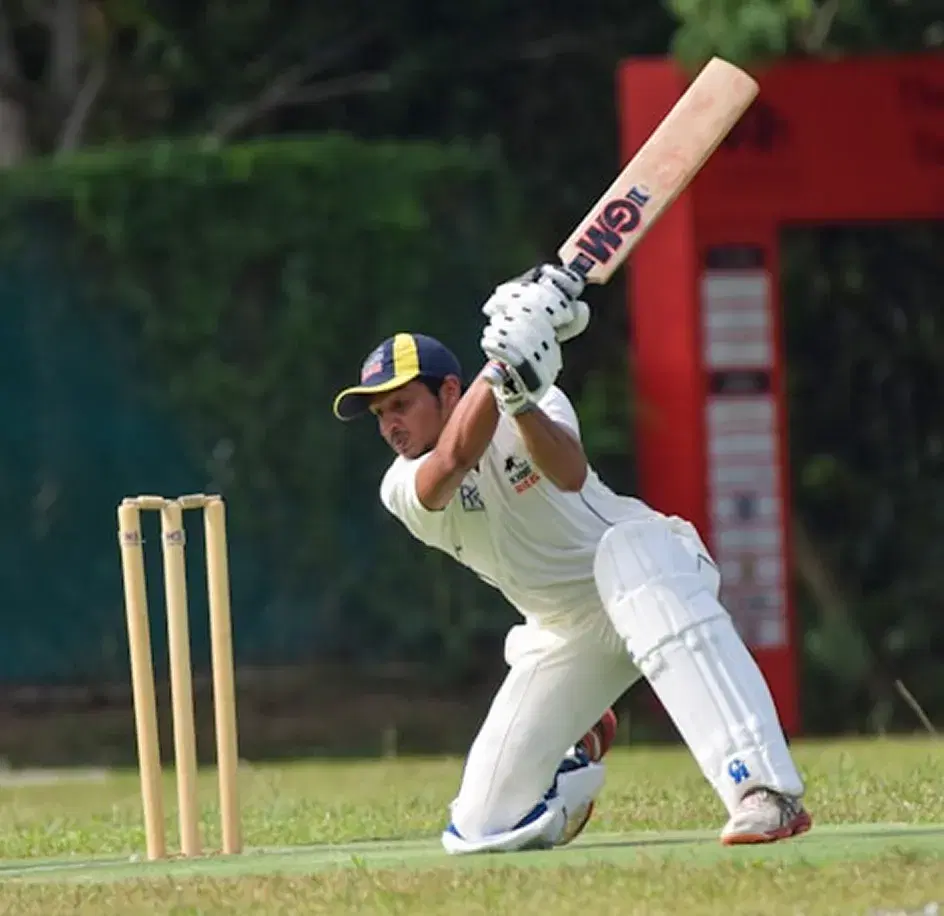







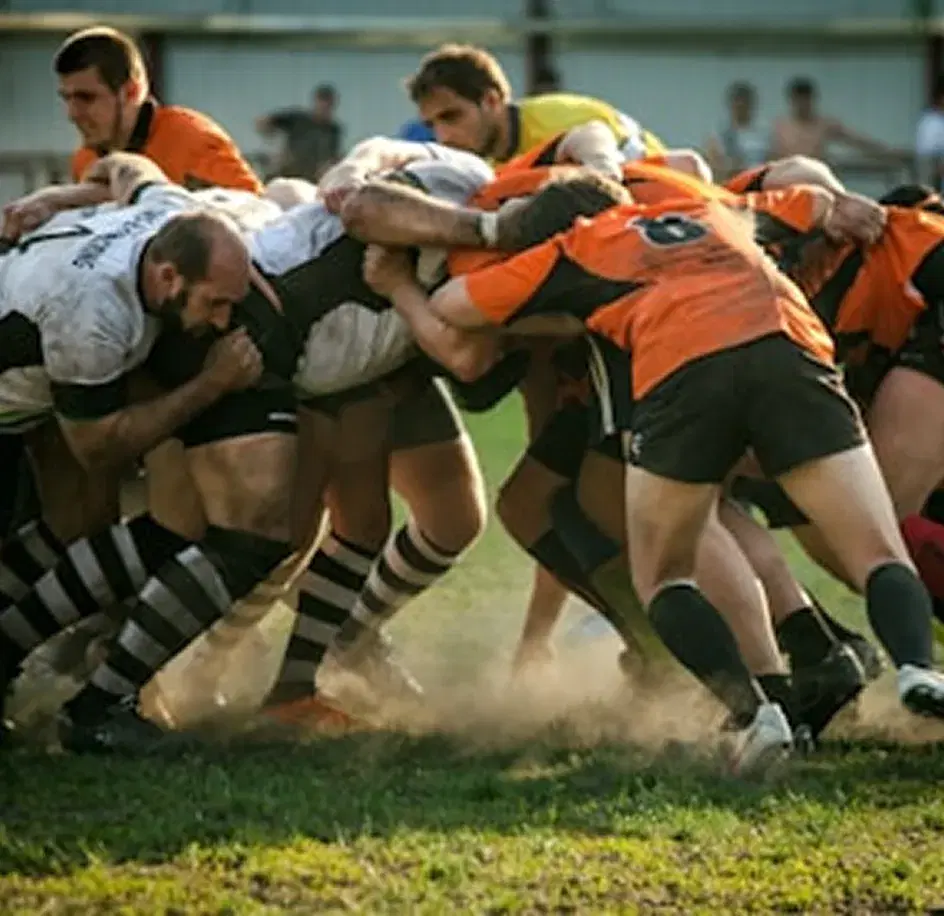

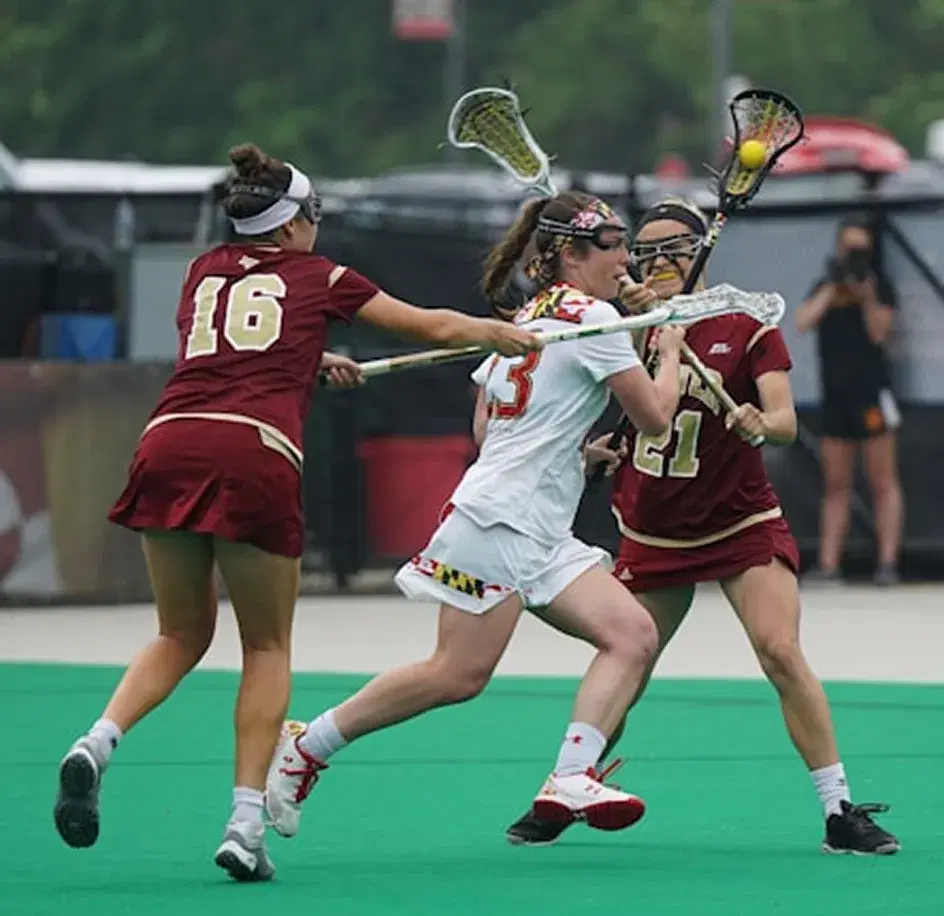



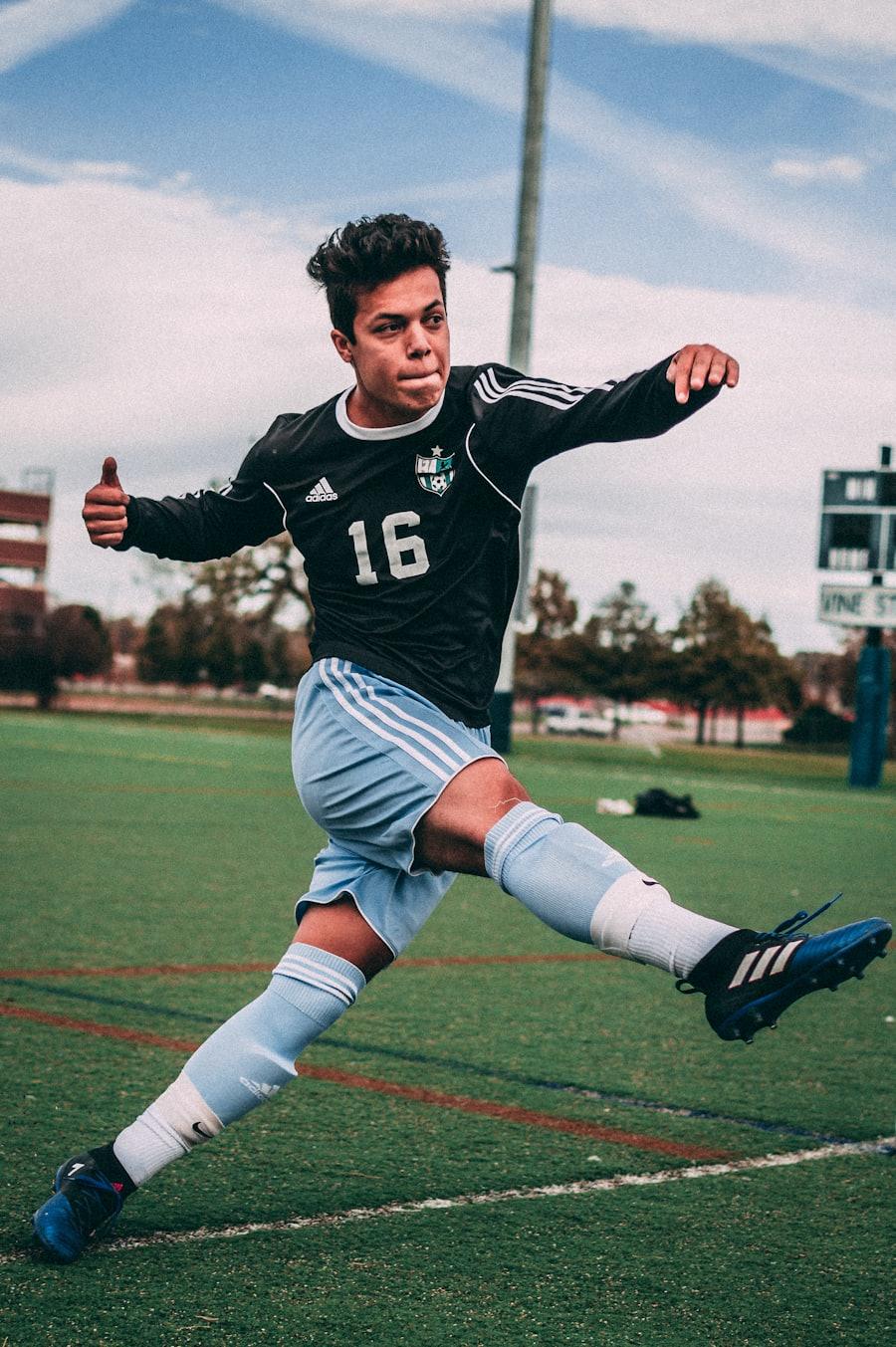
Daily insights from coaches, athletes, and clubs —
shared on our sports community blog.
Waresport is purpose built for soccer clubs, academies and US Club Soccer and US Youth Soccer programs. It handles tryouts, team formation, field bookings, league and tournament management, club dues, a visual tactics board, player development tracking and a free branded mobile app. It is not a repurposed team chat tool with a calendar bolted on.
Yes. Coaches drag players, balls and cones onto a 2D pitch, animate shape, pressing triggers, set pieces and possession drills, and save the result to your club library. Session plans push straight to coach and player phones inside the free branded app.
Yes. Online tryout registration with deposits, jersey number selection, evaluation grids per position, automatic age and grade verification and one click team offer emails. Tryouts done in a weekend, not three weeks of spreadsheet work.
Yes. Roster builds, player cards, club passes, multi team rostering, league standings with goal differential tiebreakers, ref assignments and tournament brackets. You can run an ECNL, MLS Next, NPL or rec season without bouncing between GotSport, TeamSnap and a spreadsheet.
Coaches rate players on technical, tactical, physical and mental grids you customize per age group and position. The system tracks minutes played, goal contributions, attendance and coach notes, then generates branded player development PDFs at end of season or before college recruiting that parents actually open and share.
Yes. Members get a free, branded mobile app on iOS and Android to RSVP to training, pay club dues, see match schedules, watch session videos and message coaches. There are no per player or per seat fees.
Flat monthly pricing based on your club size with no per player or per member fees. Stripe and ACH payment processing are included. Book a 30 minute demo and we will quote your club on the call.
Most soccer clubs are live on Waresport in 7 days. Our onboarding team migrates your players, teams, schedules, tryout records and outstanding balances from GotSport, GotSoccer, TeamSnap, PlayMetrics, Sprocket, Byga, SportsEngine, LeagueApps or any spreadsheet for free.
30 minutes. Free. No credit card. We will show you exactly what Waresport looks like for your soccer club, academy, ECNL, MLS Next, US Club Soccer or US Youth Soccer program, and quote you on the call.